OFF THE RECORD: As Beyond the Boardroom explores its Reputation Issue this August, von Schlippe revisits a critical moment through the lens of kintsugi, to ask whether reputation is forged not in the absence of failure, but in the courage, accountability and craft with which we repair what has fractured.
I’m travelling to Japan right now, for the first time.
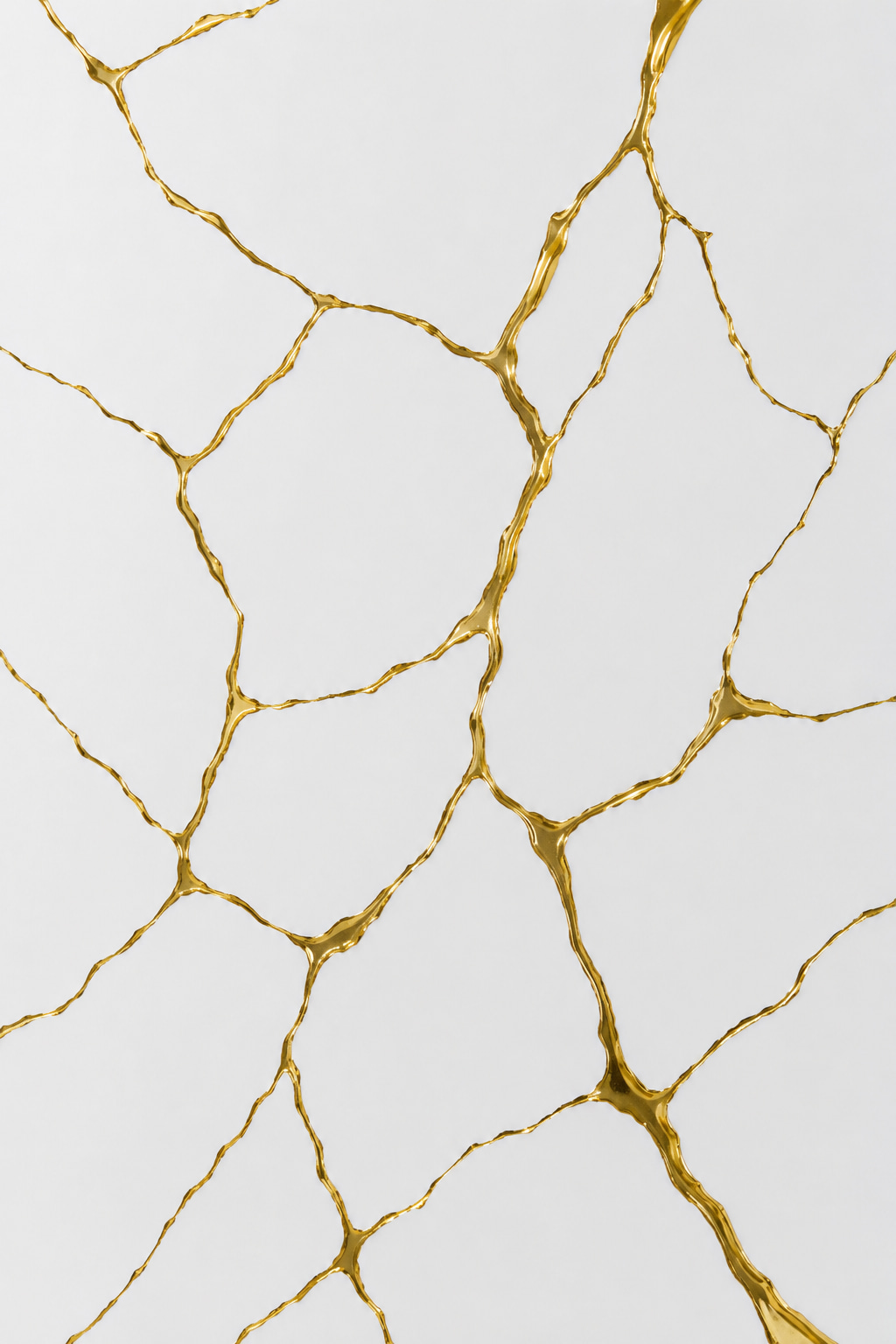
Like many first-time visitors, I am looking forward to the temples, the craftsmanship, the extraordinary precision and the quiet elegance that seem woven into everyday life. Yet, while preparing for the journey, I found myself captivated by something far less obvious: kintsugi, the Japanese art of repairing broken porcelain with gold.
Instead of hiding the fracture, it celebrates it. The crack becomes part of the object’s history, a reminder that something valuable was broken, repaired and made stronger.
It made me wonder whether the same could ever apply to reputation.
After more than 30 years of building companies, leading teams and safeguarding brands, I have come to believe that reputation is our most valuable asset, and our most fragile one. It isn’t built through grand speeches or clever marketing campaigns. It grows quietly through thousands of ordinary moments that nobody applauds: keeping a promise, arriving prepared, returning a difficult phone call, treating the intern with the same respect as the chairman.
The golden rule, it turns out, remains one of the best business strategies ever written. Treat others with the dignity, kindness and respect you hope to receive yourself. Reputation is remarkably similar to compound interest. It accumulates over years and decades. Then, occasionally, it meets a single defining moment.
Mine arrived a few years ago, during the launch of a Web3 platform under the Vogue banner.
Months of preparation had led to one carefully orchestrated moment. Every communication, every partner and every expectation pointed towards the countdown. We had tested, rehearsed and planned. Our tech partners assured us everything was ready.
Then the screen remained black.
The older I become, the less impressed I am by people who appear flawless. I admire those who remain present when things fall apart. Those who understand that accountability is not weakness but strength, and that trust is earned in moments of discomfort, not convenience.
A supplier had accidentally deleted essential files. Technology had failed, but that was not what stayed with me. Mistakes happen. What followed mattered far more.
Silence. No explanation. No contingency plan. No ownership. No answer.
In the luxury business, timing is not a detail, it’s part of the product. Clients don’t buy perfection because they believe mistakes never happen. They buy confidence that, when something does go wrong, someone is already solving it. Luxury is not the absence of problems; it’s the presence of accountability.
The launch eventually happened 24 hours later. The world moved on, and so did we. Yet I carried something away from those 24 hours that no project plan could have taught me. I realised that reputation is rarely destroyed by the original mistake. More often, it is damaged by the response to it. Deleting files is human. Disappearing is a choice.
That experience has not made me more cautious about innovation. Quite the opposite. If we stop trying new ideas because they might fail, we guarantee that nothing extraordinary will ever happen. Every meaningful innovation carries the possibility of imperfection.
What it has changed is my definition of leadership.
Leadership is not about creating the illusion that nothing ever goes wrong. It’s about staying in the room when it does. Answering the difficult phone call. Owning the mistake, even when it wasn’t entirely yours. Protecting the reputation of a brand that generations before you have built, and generations after you will inherit.
Perhaps that is why kintsugi resonates so deeply with me as I travel to Japan.
Maybe it isn’t really about pottery at all.
Maybe it is a philosophy of leadership.
The gold is not the mistake. The gold is the honesty, humility and courage with which we repair it.
The older I become, the less impressed I am by people who appear flawless. I admire those who remain present when things fall apart. Those who understand that accountability is not weakness but strength, and that trust is earned in moments of discomfort, not convenience.
Luxury is often defined by exceptional craftsmanship. Perhaps leadership should be judged by the same standard. Not by the perfection of the product, but by the craftsmanship of our character.
Because in the end, people rarely remember the leaders who never failed.
They remember the ones who never disappeared.
Until next time, stay off the record.
Off the Record is your new pass into the margins of luxury leadership. Each fortnight, Bettina von Schlippe, Co-founder of Beyond the Boardroom and Publisher-at-Large at Vogue Singapore, reflects on leadership lessonsandwhat’s shaping the executive industry—from personal to closed-door perspectives, to unfiltered insights, and the quiet shifts that haven’t made the headlines just yet.