A weakening US dollar did more to reshuffle the world’s costliest cities than any change in what the wealthy are actually buying, vaulting Zurich and Monaco into the top three and pushing Hong Kong out of it.
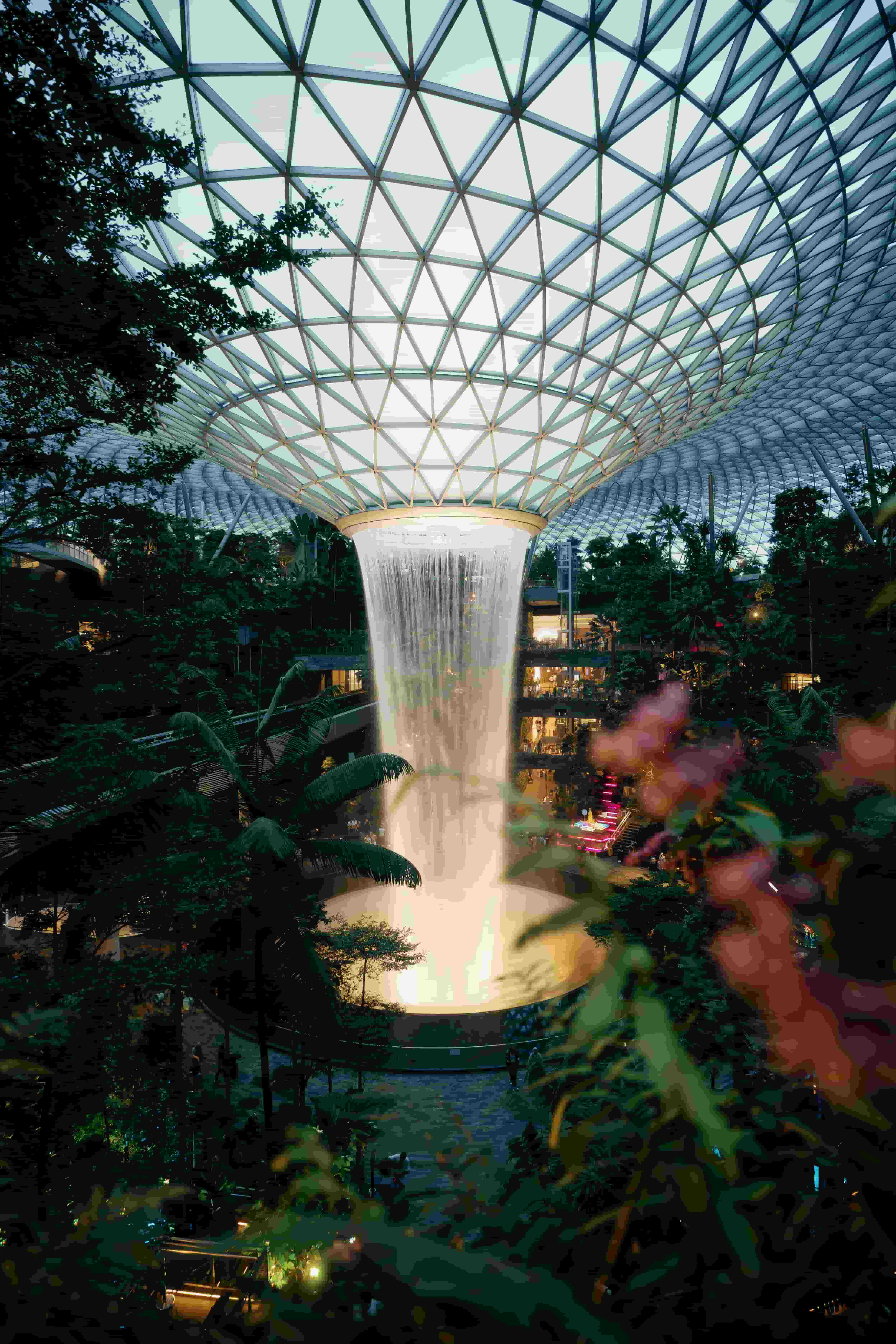
Singapore remains the most expensive city in the world for the wealthy to live well in, according to Swiss private bank Julius Baer‘s Global Wealth and Lifestyle Report, released earlier this month.
The report assessed costs across 25 major cities for high-net-worth individuals with bankable household assets of US$1 million or more, based on pricing data for 11 goods and nine services gathered between November and March.
Hong Kong dropped to fourth place, down from third last year, with half the goods and services tracked becoming cheaper, the city now ranks as the cheapest in the survey for jewellery, sliding from 19th to 24th on that measure. Hong Kong’s luxury retail sector has also been affected by changing spending habits among Chinese tourists, who Julius Baer said are increasingly favouring domestic brands over traditional European luxury labels. Hong Kong’s residential property remained the second-priciest in the survey, behind Monaco, and it continued to be the most expensive city for legal services and, jointly with Singapore, the costliest globally for a master of business administration degree.
Zurich climbed to second place from fifth, and Monaco moved up to third from fourth, both moves partly attributed to currency appreciation against the US dollar. London fell from second to fifth, while Shanghai held steady at sixth.
Yee Kim Tan, Singapore branch manager at Julius Baer, said the city state continued to benefit from global asset diversification amid geopolitical tension, citing its stability, rule of law and long-term security. “Increasingly, the question is not just which assets to hold, but where those assets should sit,” Tan said. Globally, the average cost of the report’s basket of 20 luxury goods and services rose 10.2% year-on-year in US dollar terms.