Vietnam’s crackdown on counterfeit luxury goods is reshaping risk and opportunity for listed luxury groups, with Richemont, Swatch Group and Brunello Cucinelli among those positioned to benefit.
Vietnam’s nationwide crackdown on intellectual property violations, launched on 7 May and still gathering pace, is now being read by analysts as a market signal as much as a policy story, according to a BBC News report published this week. The clampdown targets counterfeit goods, online piracy and trademark infringement, and follows mounting pressure from Washington: in April, the Office of the United States Trade Representative designated Vietnam a “priority foreign country” over its handling of IP protection, the first time in 13 years a nation has received that classification—and branded it the world’s worst offender on IP rights.
Facing the threat of fresh tariffs, Vietnamese authorities pledged to increase IP violation busts by at least 20% in May compared with the same period the previous year.
Enforcement has intensified visibly on the ground in recent months. Police raids on warehouses outside Ho Chi Minh City uncovered more than 23,000 pairs of counterfeit slippers bearing the logos of Nike, Adidas, Crocs and Gucci, in a seizure valued at roughly US$76,000 (VND2 billion). Saigon Square and the neighbouring Ben Thanh Market, long considered among the country’s largest hubs for counterfeit goods, remain key battlegrounds as the campaign continues.
The crackdown carries a real cost for ordinary shoppers. The BBC reports that most Vietnamese households operate on modest incomes with average earnings sitting around US$225 a month, and roughly six in 10 citizens live outside major cities, meaning imitation goods have long served as the only practical route to designer style for a large share of the population.
That has not stopped analysts from mapping the winners this week. In a note published 6 July, Simply Wall St identified three listed luxury names from its Global Luxury Brands screener that it said appear positively exposed to tighter IP enforcement, tariff pressure and supply chain scrutiny in the region.
Swatch Group, the Swiss watch and jewellery group behind Omega, Breguet and Blancpain, was named as a beneficiary given its ownership of some of the world’s most widely copied watch brands. The company generated US$7.8 billion (CHF6.3 billion) in revenue, with a market capitalisation of US$12.7 billion (CHF10.2 billion), though Simply Wall St flagged low current profit margins and a dividend not well covered by earnings.
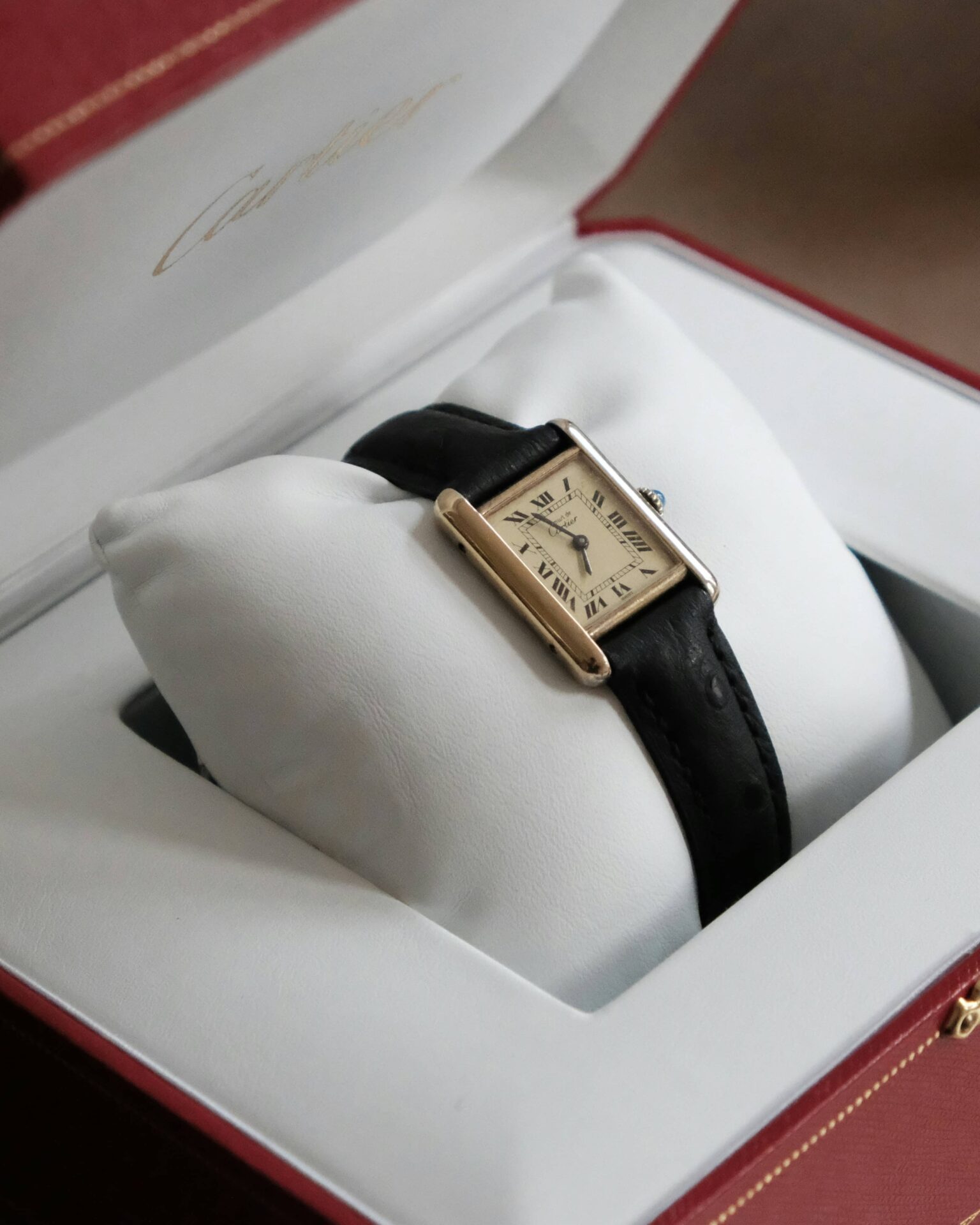
Compagnie Financière Richemont, owner of Cartier, Van Cleef & Arpels and Montblanc, was also highlighted, given the group’s exposure to the fake jewellery and watches typically targeted by enforcement sweeps. Richemont posted revenue of US$25.6 billion (€22.4 billion) and holds a market capitalisation of US$134.9 billion (CHF108.4 billion), alongside double-digit forecast earnings growth and ongoing share buybacks.
Italian fashion house Brunello Cucinelli, known for artisanal quality and exclusivity, was cited as aligned with both anti-counterfeiting efforts and the broader shift towards “quiet luxury.” The company reported revenue of US$1.6 billion (€1.4 billion) and a market capitalisation of US$6.4 billion (€5.6 billion), with guidance for around 10% revenue growth.
Simply Wall St noted the three companies were drawn from a wider screener of luxury stocks it identified as relevant to the theme, and noted its commentary is based on historical data and analyst forecasts rather than financial advice.