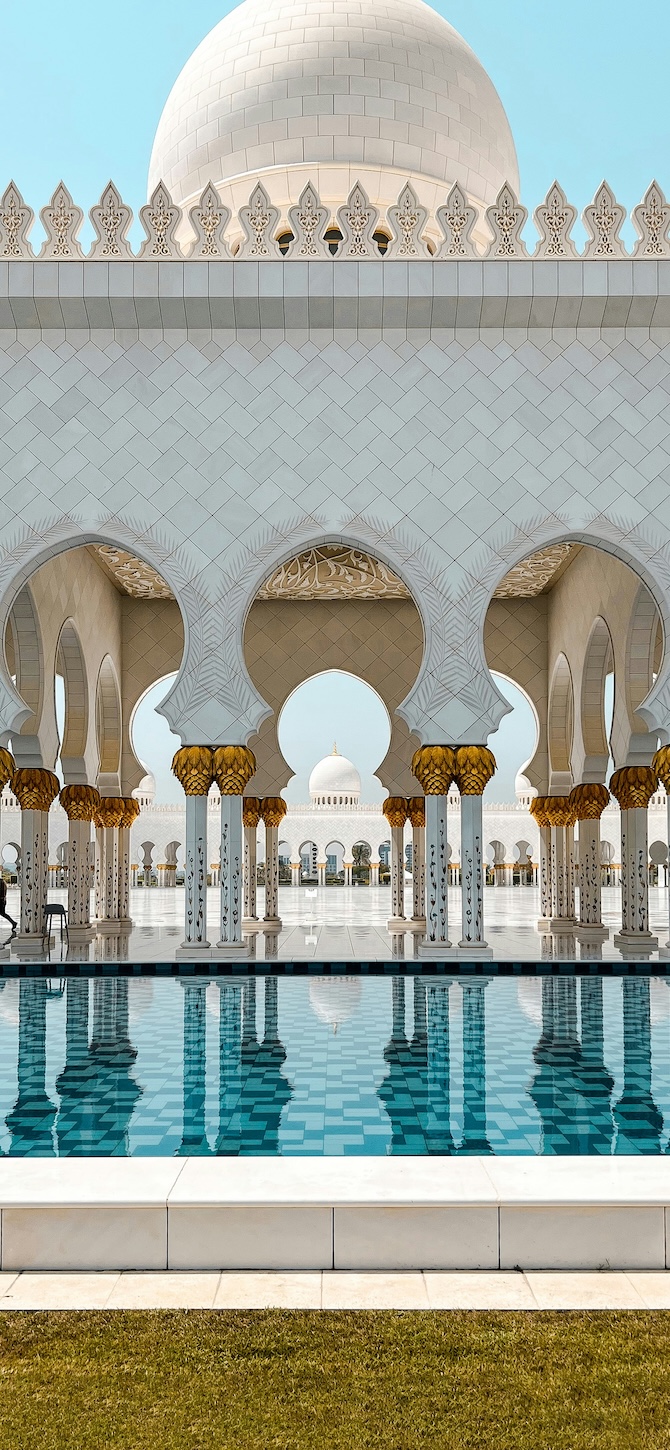
As global luxury enters a period of recalibration, Abu Dhabi is emerging as one of the industry’s most strategic growth markets. Backed by sovereign wealth, cultural infrastructure and deliberate urban planning, the emirate is shaping a slower, more considered vision of luxury, one increasingly attractive to brands and high-net-worth consumers alike.
Long overshadowed by the spectacle of Dubai, Abu Dhabi is quietly consolidating its position as a serious contender in the global luxury landscape. The city’s identity, rooted in heritage, cultural investment and long-term planning, is evolving into a more commercially confident proposition. What is taking shape is not simply another luxury destination, but a carefully constructed ecosystem where real estate, art, finance and lifestyle converge to attract a new generation of global wealth.
Abu Dhabi’s leadership has spent the past decade positioning The Emirates as what some observers now call a “capital of capital”. The phrase reflects more than marketing rhetoric. According to New York–based Global SWF, Abu Dhabi ranks as the world’s leading hub for sovereign wealth fund assets, overseeing roughly US$1.7 trillion. Bloomberg noted in late 2025 that the city’s financial influence stretches far beyond its compact geography, with investment entities managing sums exceeding the combined economies of several European nations. That depth of capital is translating directly into luxury-adjacent sectors, particularly real estate. The Abu Dhabi Real Estate Centre (ADREC) reported a record-breaking 2025, with total property transactions reaching AED 142 billion (US$38.6 billion), representing a 44% increase in value year-on-year. A beachfront mansion on Saadiyat Island sold for AED 400 million (US$108.9 million), setting a new residential benchmark for the emirate and signalling growing appetite at the ultra-high end.
Unlike neighbouring markets known for rapid cycles of expansion, Abu Dhabi has cultivated a reputation for stability and regulatory clarity. His Excellency Engineer Rashed Al Omaira, Director General of ADREC, frames the momentum as the result of deliberate governance rather than short-term speculation, pointing to transparent regulation, reliable market data and long-term investor protections as the foundations of growth. Policies such as the Golden Visa, freehold ownership zones for foreign nationals and a tax-efficient environment have further strengthened The Emirates’ appeal as a secure base for international capital.


Chris Whitehead, Managing Partner at Dubai Sotheby’s International Realty, argues that Abu Dhabi’s differentiation lies in its refusal to mirror the pace of other Gulf markets. With less urgency to diversify rapidly, the city has prioritised cultural infrastructure, environmental preservation and thoughtful urban planning. At the top end of the market, he notes, buyers are increasingly European—individuals drawn to the region’s financial freedoms but seeking an alternative to Dubai’s fast-paced energy. The result is a clientele aligned with a quieter, more culturally layered vision of luxury.
Beyond the Billions: Architecture as Destiny
If capital forms the backbone of Abu Dhabi’s strategy, culture provides its narrative engine. Economic Vision 2030 positions heritage and identity as core pillars of development, and few cities have leveraged museum infrastructure with such intent. The Louvre Abu Dhabi has already established the emirate as a global cultural destination, while the forthcoming Guggenheim Abu Dhabi and the recently opened Zayed National Museum—designed by Norman Foster—are set to deepen its influence among collectors, curators and cultural patrons.
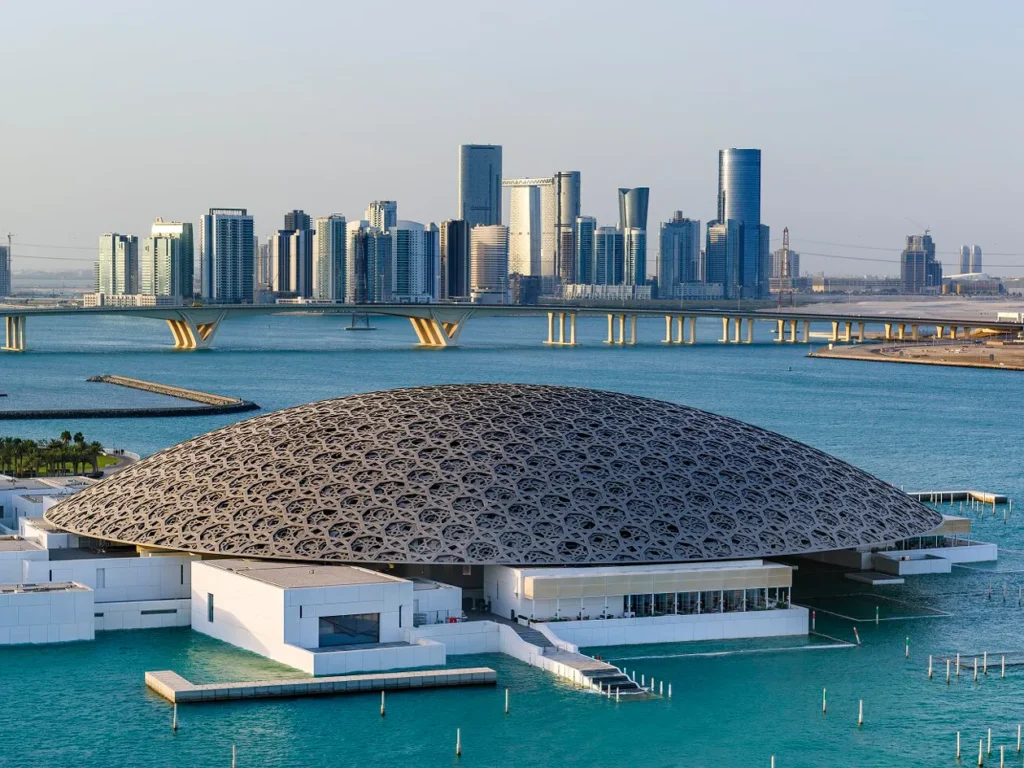
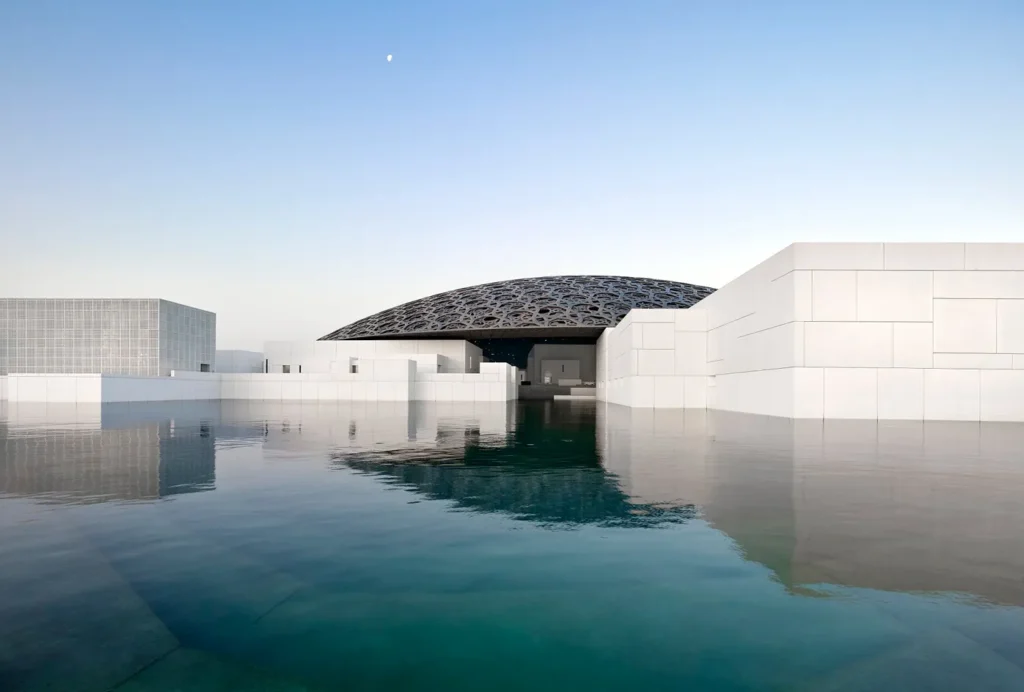
Marketing academic David Dubois of INSEAD describes Louvre Abu Dhabi as a bold experiment in cross-cultural luxury branding. Once criticised as a controversial licensing venture, the institution welcomed a record 1.42 million visitors in 2024 and has evolved into a powerful symbol of cultural diplomacy. Its future direction—whether as a licensed extension, a hybrid entity or a fully independent institution— remains a topic of industry debate, underscoring the museum’s growing strategic significance.
Beyond exhibitions, Abu Dhabi’s cultural venues are becoming platforms for luxury maisons seeking deeper engagement with regional audiences. Partnerships between the Louvre Abu Dhabi and brands such as Cartier, Dior, Chanel, Hermès and Van Cleef & Arpels have blended heritage storytelling with contemporary cultural dialogue. Richard Mille’s ongoing Art Here exhibition and prize further reinforce the emirate’s positioning at the intersection of art patronage and high watchmaking.
The Curation of Connection
Luxury activations across the city reflect this evolving ecosystem. Prada Mode’s immersive programme at MiZa Creative District signalled growing confidence among fashion houses in Abu Dhabi’s cultural credibility, while Sotheby’s inaugural Collectors’ Week generated US$133 million in sales, highlighting the depth of regional collecting power. Piaget’s “Essence of Extraleganza” exhibition, developed in collaboration with the Abu Dhabi Investment Office, underscored the emirate’s ambition to merge global luxury narratives with local artistic identity.
What emerges is a market defined less by spectacle than by intention. Abu Dhabi is positioning itself as a counterpoint to traditional luxury hubs—a place where wealth, culture and governance operate in synchrony. For brands navigating a more cautious consumer climate, the emirate offers a proposition built on longevity rather than immediacy.
As luxury shifts from ownership to experience and emotional resonance, Abu Dhabi’s slower, more deliberate model may prove increasingly influential. The city may not compete on volume or visibility, but it is cultivating something rarer in today’s luxury landscape: depth, continuity and a sense of purpose that extends beyond the transactional.