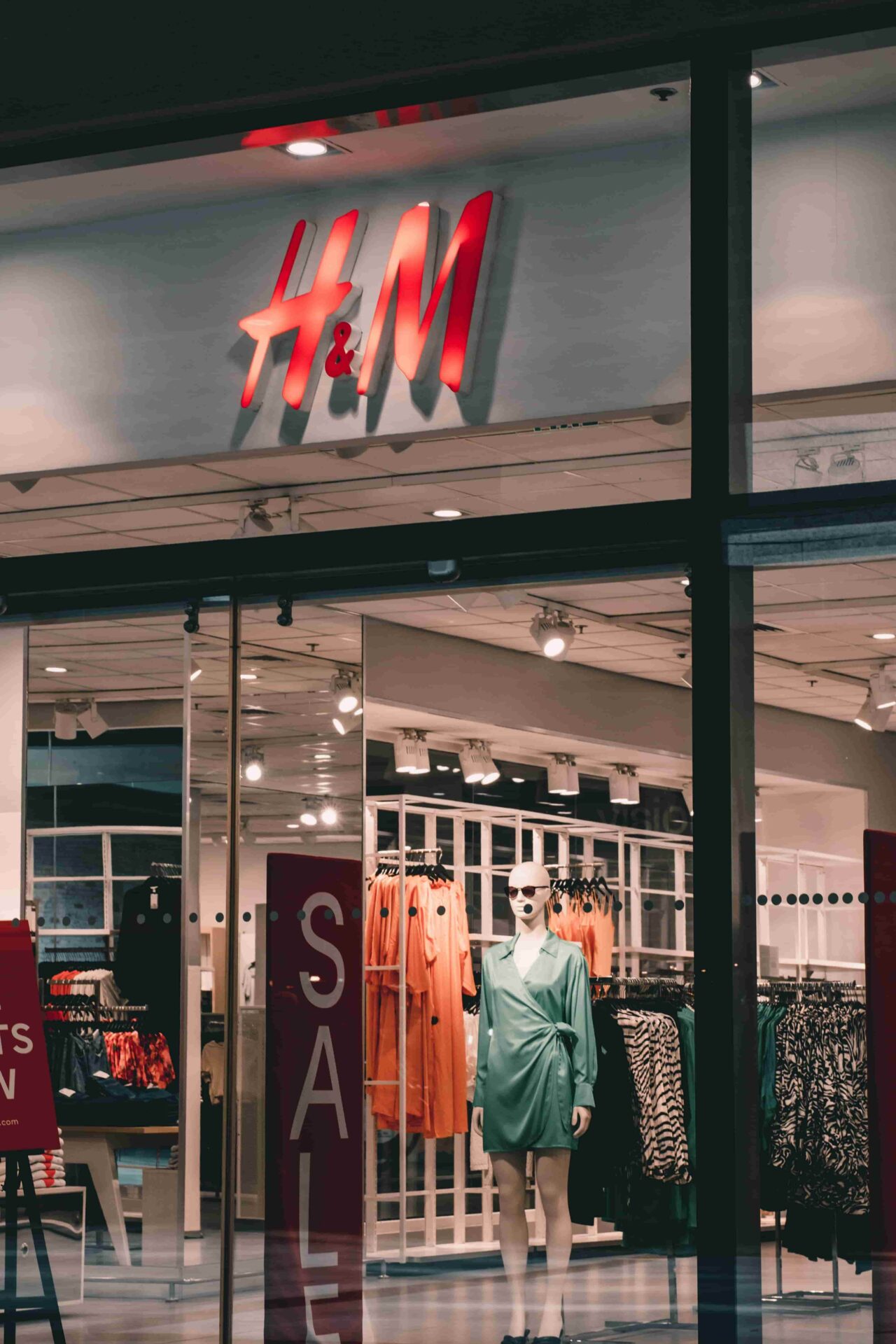
The Swedish fashion retailer reports stronger-than-expected quarterly earnings, but sluggish sales and a shrinking store network across Asia, Oceania and Africa highlight the challenges facing its turnaround.
H&M’s efforts to restore growth are showing mixed results, with the Swedish fashion retailer reporting stronger-than-expected quarterly profits despite sluggish sales and a shrinking regional store network. The company posted a 23% increase in operating profit for the three months through August, supported by tighter cost controls and one-off tariff benefits, as it continued to scale back its retail footprint across Asia, Oceania and Africa.
On 24 September, H&M reported operating profit of approximately USD 609 million (SEK 6.04 billion), beating Bloomberg’s analyst estimate of USD 531 million (SEK 5.27 billion). According to its quarterly results, operating margin increased to 10.6% from 8.6% a year earlier, although approximately 1.6 percentage points of the margin benefited from one-off tariff and import-related effects that had increased costs in previous quarters.
Sales growth remained modest, rising just 1% in local currencies to approximately USD 5.77 billion (SEK 57.19 billion), slightly below analyst expectations. H&M expects September sales to increase by a similar 1%, indicating that revenue growth remains subdued as its autumn collections enter stores.
The restructuring is also reshaping H&M’s presence in Asia. According to its 2025 annual results, the group closed a net 105 stores across Asia, Oceania and Africa, where reported sales declined 7% in Swedish kronor, or 1% in local currencies. Its regional store network subsequently contracted from 940 locations in November 2025 to 886 by August 2026. Alongside the closures, the group has pursued selective expansion through its premium brands, including COS, which entered India in October 2025.
Under CEO Daniel Ervér, H&M has focused on rebuilding profitability through tighter inventory management, more responsive purchasing and improvements to its product offering. However, the retailer continues to face competition from larger Spanish rival Inditex, the owner of Zara, which has maintained stronger sales growth despite facing its own pressures from rising logistics and distribution costs.
H&M’s latest earnings highlight the uneven progress of its turnaround. While cost discipline and temporary tariff benefits have improved profitability, modest sales growth and continued regional store closures leave the company facing the challenge of converting operational improvements into sustained consumer demand.